About Us
School of Industrial Fisheries, Cochin University of Science and Technology
Vision & Mission
Vision
To develop manpower specialized in academic, research, and managerial skills demanded by various sectors of fisheries and to mold them into socially responsible global citizens for achieving sustainability goals.
Mission
- Conduct professional postgraduate programs in all facets of fisheries to cater to industrial needs.
- Provide academic, scientific, technical, and managerial expertise globally.
- Facilitate state-of-the-art research in emerging areas of fisheries.
Highlights
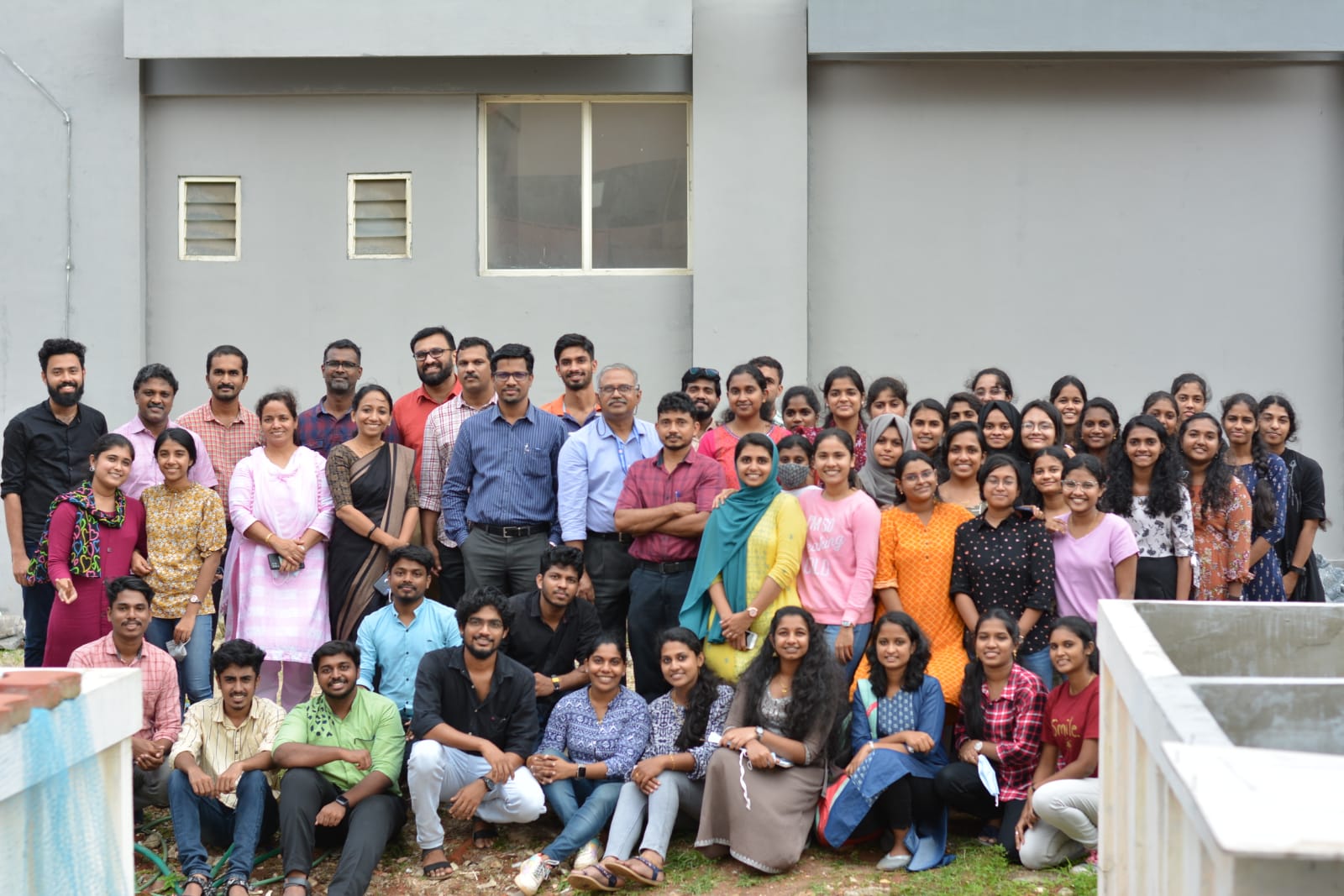
Founded in 1976, the School of Industrial Fisheries is a statutory teaching department of Cochin University of Science and Technology, located in a serene atmosphere on the banks of the Cochin estuary. The School offers postgraduate courses and supports research in Industrial Fisheries and Fisheries Science.
- Excellent laboratory facilities
- Eminent faculty in various fisheries-related fields
- Strong industry interface via Industrial Fisheries Alumni Association
- Compulsory in-plant training and industry visits for students
- Outstanding placement records with alumni excelling globally

Our History
Established in 1976 as the Department of Industrial Fisheries under the erstwhile University of Cochin, the School has evolved significantly:
- 1995: Elevated to the status of the School under CUSAT.
- 2008: Began offering MPhil degrees in fisheries science.
- 2012: Introduced the innovative Master of Fisheries Science in Seafood Safety and Trade program.
- 2022: Celebrated 46 years of excellence in teaching, research, and outreach.
Research Areas
The School of Industrial Fisheries has been a pioneer in fisheries research, with expertise in areas such as:
- Aquaculture and fishery biology
- Fish harvest and processing technology
- Seafood safety and fisheries economics
- Fisheries management and ornamental fisheries
- International seafood trade and marketing
Program Educational Objectives (PEOs)
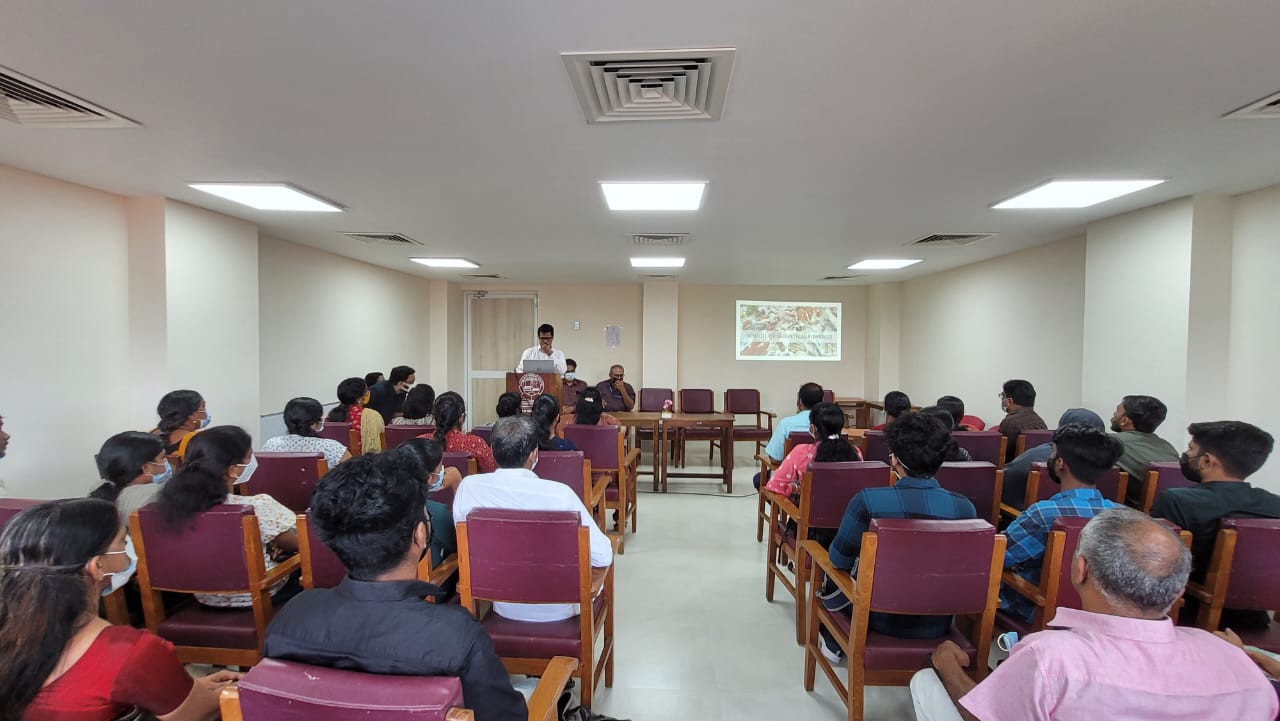
- PEO1: Graduates will compete on a global platform to pursue their professional career in fisheries and allied disciplines.
- PEO2: Graduates will pursue higher education and/or engage in continuous upgradation of their professional skills in fisheries and allied disciplines.
- PEO3: Graduates will communicate effectively and demonstrate professional behavior while working in diverse teams.
- PEO4: Graduates will exhibit leadership qualities with demonstrable attributes in lifelong learning to contribute to industrial and societal needs.
Graduate Attributes
- Academic Education: Knowledge of fisheries.
- Design/Development of Solutions: Ability to solve complex problems.
- Investigation: Research and analytical skills.
- Modern Tool Usage: Proficiency in using modern tools and technologies.
- Individual and Teamwork: Ability to work independently and in teams.
- Communication: Effective communication skills.
- Society: Understanding of societal needs.
- Ethics: Adherence to ethical standards.
- Environment & Sustainability: Commitment to sustainable practices.
- Fisheries Economics & Management: Knowledge of fisheries economics and management.
- Lifelong Learning: Commitment to continuous learning.